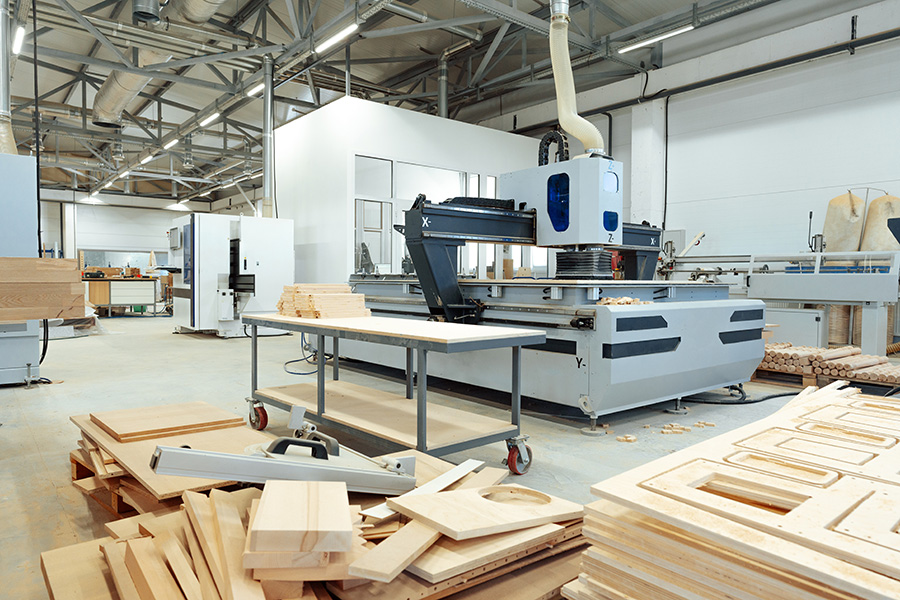
Cabinetmaking involves a wide range of tools and machinery, from panel saws and edge banders to routers, sanders and drilling equipment.
These machines are essential to the trade, but they also come with serious risks if they are not used correctly.
For cabinetmakers, working safely is not simply about following workshop rules. It is about understanding the hazards associated with machinery, using the right controls and demonstrating the practical skills expected of a competent tradesperson.
This is also relevant when completing a Cabinetmaker skills assessment through ACTS Visa Skills, where applicants may need to demonstrate their trade knowledge, practical ability and safe work practices.
Why Machinery Safety Matters in Cabinetmaking
Cabinetmaking workshops can be busy environments where multiple machines are operating at once.
Common hazards may include:
- Contact with moving blades or cutting tools
- Kickback from timber or sheet materials
- Entanglement with rotating machinery
- Flying debris
- Dust exposure
- Noise
- Manual handling injuries
- Electrical hazards
- Poorly maintained machinery
Understanding these risks is an important part of working safely and efficiently.
A competent cabinetmaker should be able to identify hazards before starting a task and use the appropriate controls to reduce risk.
Machine Guarding Is Essential
Machine guards are designed to prevent workers from coming into contact with dangerous moving parts.
Cabinetmaking machinery such as saws, routers and planers should be used with the correct guards in place.
Removing or bypassing guards can dramatically increase the risk of serious injury.
Tradespeople should also check that:
- Guards are secure and functioning
- Emergency stops are accessible
- Safety devices have not been tampered with
- Machines are suitable for the task being performed
Pre-start checks are a simple but important part of safe machine use.
Kickback Can Cause Serious Injury
Kickback can occur when timber or sheet material is suddenly thrown back towards the operator.
This can happen with machinery such as table saws, panel saws or spindle moulders.
The risk may increase if:
- Material is fed incorrectly
- Blades are blunt or damaged
- The workpiece is unstable
- The machine is poorly set up
- The operator is standing directly in the line of kickback
Understanding how to position materials, use guides and maintain control of the workpiece is an important part of safe cabinetmaking practice.
Dust Is a Major Workshop Hazard
Cabinetmaking can generate significant amounts of wood dust, particularly during cutting, routing and sanding.
Dust is not just a housekeeping issue. It can create health risks and may also increase fire risk in some environments.
Good dust control may include:
- Using extraction systems
- Keeping machinery connected to dust collection
- Cleaning work areas regularly
- Avoiding dry sweeping where possible
- Wearing suitable respiratory protection when required
A clean workshop is generally a safer workshop.
Noise and Hearing Protection
Some cabinetmaking machinery can produce high noise levels, particularly during prolonged use.
Regular exposure to loud machinery may damage hearing over time.
Workers should understand when hearing protection is required and use appropriate PPE where necessary.
Employers should also consider equipment maintenance and workshop layout as part of managing noise exposure.
Correct Clothing and PPE Matter
Loose clothing, jewellery and unsecured hair can create serious entanglement risks around rotating machinery.
Cabinetmakers should wear clothing that is suitable for workshop work and use PPE appropriate to the task.
This may include:
- Safety glasses
- Hearing protection
- Respiratory protection
- Safety footwear
- Protective clothing
PPE is only one part of the safety process, but it remains an important final layer of protection.
Machine Maintenance and Safe Operation Go Together
Poorly maintained machinery can be more difficult and dangerous to operate.
Blunt blades, damaged guards, loose components or faulty emergency stops can all increase risk.
Tradespeople should understand the importance of:
- Reporting faults
- Keeping equipment maintained
- Using sharp and suitable cutting tools
- Following manufacturer instructions
- Locking out machinery where required before maintenance
Using equipment correctly is just as important as knowing how to operate it.
Manual Handling Is Also Part of the Risk
Cabinetmakers often work with large sheets of board, timber panels and finished cabinetry.
Lifting or moving these materials incorrectly can lead to strains and other injuries.
Safe manual handling may include:
- Using mechanical aids
- Team lifting
- Planning the movement of large items
- Keeping walkways clear
- Avoiding awkward lifting positions
Good workshop safety involves looking at the whole task, not just the machinery itself.
Safe Work Practices and the Cabinetmaker Skills Assessment
ACTS Visa Skills offers a Cabinetmaker skills assessment as part of its trade skills assessment services.
The purpose of the assessment is to determine whether an applicant has the skills and experience expected of a cabinetmaker at the required Australian trade level.
As part of the process, applicants may need to demonstrate that they understand how to carry out cabinetmaking work safely and competently.
This can include showing knowledge of:
- Machinery and tool use
- Safe workshop practices
- Material handling
- Measuring and cutting
- Cabinet assembly
- Reading plans and specifications
- Identifying hazards
- Using PPE
- Maintaining a safe work area
Safety is not separate from trade competence. It is part of it.
Why Practical Safety Knowledge Matters in a Skills Assessment
A skills assessment is designed to confirm that an applicant can perform trade tasks to the required standard.
That means assessors are not only looking at whether someone can complete a task.
They are also looking at whether the person can complete it safely.
For cabinetmakers, this means demonstrating good habits such as:
- Checking machinery before use
- Following safe operating procedures
- Using guards and safety devices
- Selecting the correct tool for the job
- Controlling dust and debris
- Wearing appropriate PPE
- Maintaining a clean and organised workspace
These behaviours help show that an applicant understands real-world cabinetmaking practice.
Safe Cabinetmaking Is Skilled Cabinetmaking
Working safely with cabinetmaking machinery requires knowledge, judgement and experience.
A skilled cabinetmaker should understand not only how to operate machinery, but also how to recognise hazards, manage risks and protect themselves and others in the workshop.
For applicants completing a Cabinetmaker skills assessment through ACTS Visa Skills, demonstrating safe work practices is an important part of showing that your skills are current, practical and aligned with Australian trade expectations.
At ACTS Visa Skills, we support eligible applicants through the Cabinetmaker skills assessment process, helping them understand the evidence and practical requirements involved.
If you are preparing for a cabinetmaking skills assessment, make sure your trade experience demonstrates not only what you can do, but how safely and professionally you do it.