For an experienced tradesperson, it can be tempting to look at a familiar task and get straight to work.
You know the tools. You know the process. You may have completed the same type of job hundreds of times before.
But one of the signs of a competent tradesperson is knowing when to stop, look at the work environment and identify what could go wrong before beginning the task.
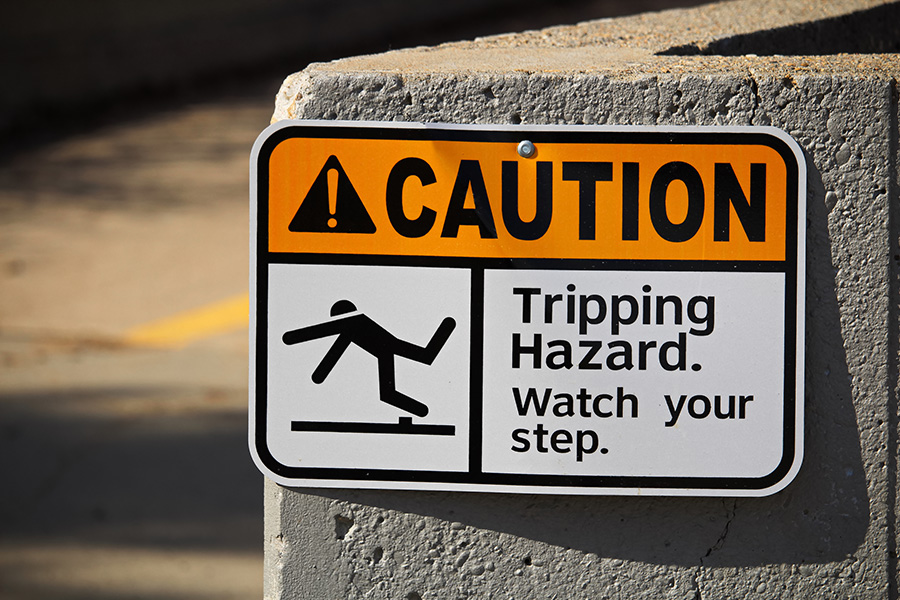
Hazard identification is an important part of working safely in Australian trade environments. It is not something that should only happen after an incident or when completing safety paperwork.
It should form part of the way you approach the job from the beginning.
For overseas tradespeople preparing to work in Australia or undertake a trade skills assessment, understanding this approach can also help demonstrate that safe work practices are integrated into the way you perform your trade.
What Is Hazard Identification?
A hazard is anything that has the potential to cause harm.
Depending on your trade and workplace, hazards might include machinery, electricity, moving vehicles, sharp materials, noise, dust, hazardous substances, working at height, manual handling or other people working nearby.
Hazard identification means looking at the task and surrounding environment and asking:
What here could cause harm?
Safe Work Australia describes workplace risk management as a process of identifying hazards, assessing the associated risks, controlling those risks and reviewing whether the controls remain effective.
For tradespeople, that process often begins before the first tool is picked up.
The Same Task Can Have Different Risks
One reason hazard identification is so important is that no two worksites are exactly the same.
You may know how to complete a particular task safely, but the environment around that task can change.
Imagine you are using a power tool you have operated many times before.
The tool itself might be familiar, but today’s job could involve:
- another trade working beside you
- an electrical lead crossing an access path
- combustible materials nearby
- poor ventilation
- a damaged guard
- limited working space
- members of the public near the work area
- wet or uneven flooring
- unfamiliar equipment.
The task may be familiar while the risk environment is completely different.
Competent tradespeople don’t rely solely on previous experience. They assess the conditions in front of them.
Identifying a Hazard Is Only the Beginning
Spotting something dangerous is important, but knowing what to do about it is equally important.
Workers need to consider what could happen if someone is exposed to the hazard, how serious the consequences could be and what can reasonably be done to control the risk.
The aim should be to eliminate the risk where reasonably practicable. When elimination isn’t possible, risks should be minimised using appropriate controls. Safe Work Australia notes that controls higher in the hierarchy provide greater protection and reliability, while administrative controls and PPE are lower-level controls because they do not remove the hazard at its source.
This means the first question shouldn’t always be:
“What PPE do I need?”
It may be:
“Can I remove this hazard altogether?”
Think About the Job Before You Begin
Good hazard identification doesn’t need to be unnecessarily complicated.
It starts with actively looking at the task.
Before beginning work, an experienced tradesperson might consider:
The equipment: Is it suitable for the task? Is it in good condition? Are guards and safety features working?
The work area: Is there enough room? Are walkways clear? Could another person enter the danger area?
The material: Is it heavy, sharp, unstable, hot or hazardous? Does it create dust or fumes?
Other workers: Could your work affect someone else? Could their work create a hazard for you?
The environment: Are there electrical, weather, ventilation, lighting, noise or access issues?
The task itself: Is there a safer way to perform it?
This habit of checking before starting can help prevent workers from becoming so focused on completing the task that they overlook something around them.
What Does This Look Like Across Different Trades?
Hazard identification will look different depending on the occupation.
A cabinetmaker may need to consider machinery guarding, wood dust, sharp tooling, sheet-material handling and the movement of other workers through the workshop.
The hazards change, but the underlying skill remains the same:
Recognise what could cause harm before the task begins.
Experience Should Improve Your Safety Awareness
Experienced tradespeople often work efficiently because they can anticipate what is going to happen next.
That same experience should also help them anticipate risks.
If you have worked in your occupation for years, you may already instinctively notice when something isn’t right — a machine sounds different, a component isn’t secure, a lifting method looks unsafe or a work area has become too congested.
That awareness is valuable.
However, experience should never lead to complacency.
Statements such as “I’ve always done it this way” or “I’ve done this hundreds of times” don’t necessarily mean a method is safe.
A strong tradesperson combines practical experience with a willingness to reassess the job when circumstances change.
Safety Also Means Knowing When to Stop
Sometimes the correct decision is not to continue.
If equipment is damaged, the correct control isn’t available, conditions have changed or you don’t understand a procedure, stopping the task can be an important safety decision.
That might mean isolating equipment, reporting a hazard, speaking with a supervisor or seeking clarification before continuing.
Safe Work Australia also emphasises that control measures should be reviewed to make sure they continue to work effectively, particularly when workplace conditions change or new hazards are identified.
This highlights an important point: risk management isn’t a once-off exercise completed at the beginning of the day.
Workers need to remain aware of changing conditions throughout the job.
Communication Is Part of Hazard Management
Not every hazard can be managed by one worker alone.
Trade workplaces often involve multiple people, contractors, supervisors and occupations working alongside one another.
If you identify a hazard that could affect other people, communicating it can be just as important as recognising it.
That may involve notifying a supervisor, speaking with other workers, following the site’s hazard-reporting procedure or making sure people understand what controls are in place before work continues.
Safe workplaces depend on workers communicating about risks rather than assuming someone else will deal with them.
What Does This Have to Do With a Trade Skills Assessment?
A trade skills assessment is about more than demonstrating that you can physically complete a task.
Competency also includes being able to perform trade work using appropriate workplace practices, including safe work methods.
ACTS Visa Skills already highlights that during a technical interview or practical assessment, applicants may need to demonstrate their understanding of hazards, safe equipment use, PPE, workplace procedures and what they would do when a situation is unsafe.
ACTS Visa Skillsand their skills assessment process includes a Technical Interview / Practical Skills Demonstration as Stage 3 of its assessment process.
That means an applicant should be able to do more than describe how they would complete a job.
They should also be able to explain how they would complete it safely.
For example, you may need to think through questions such as:
- What hazards would you identify before starting?
- What controls would you put in place?
- What would you check before using the equipment?
- What would you do if something was unsafe?
- Who would you report a problem to?
- How could your work affect other people nearby?
You shouldn’t need to memorise scripted answers.
Instead, think about the safe work practices you already use in your trade and be prepared to clearly explain your reasoning.
Safe Work Is Part of Skilled Work
Good trade competency isn’t just about producing a finished product quickly.
It is about completing the job correctly, efficiently and safely.
The worker who takes a moment to identify a damaged tool, notices another worker entering a hazardous area or changes their approach because workplace conditions have changed is demonstrating practical judgement.
That judgement is developed through experience, training and awareness.
Before starting your next task, ask yourself a simple question:
What could go wrong here — and what can I do about it before I begin?
That short check can be one of the most important parts of the job.
Preparing for an Australian Trade Skills Assessment?
Australian Construction Training Services (ACTS) is endorsed by Trades Recognition Australia as a TRA-approved Registered Training Organisation and provides skills assessment services through relevant Australian trade assessment programs.
If you’re preparing for an Australian trade skills assessment, understanding how your practical skills, workplace experience and safe work practices fit into the assessment process can help you prepare.
Contact ACTS Visa Skills to learn more about the assessment pathway for your nominated trade.