
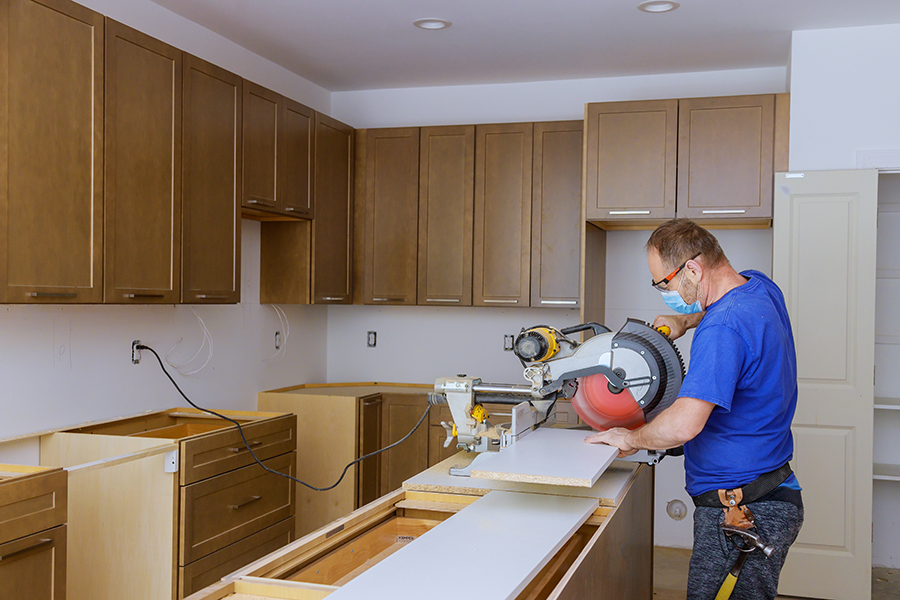
Cabinetmaking is a precision trade.
A finished cabinet might look straightforward from the outside, but behind a professional result are accurate measurements, careful machining, correct assembly, appropriate hardware, clean finishing and the ability to identify and fix problems before the job is complete.
For cabinetmakers completing an Australian skills assessment, being able to demonstrate quality workmanship is an important part of showing that your experience aligns with the standard expected of the trade in Australia.
So, what actually separates competent cabinetmaking from poor workmanship?
Accuracy Starts With Measurement
A quality cabinetmaking job begins long before assembly.
Accurate measuring, marking and calculation are fundamental skills because even a small error can affect everything that follows.
A competent cabinetmaker should be able to:
- Check dimensions carefully
- Measure and mark materials accurately
- Interpret plans and specifications
- Calculate component sizes
- Allow for clearances, hardware and installation requirements
- Double-check measurements before cutting or machining
Poor measurement can result in cabinetry that does not fit the intended space, uneven gaps, incorrectly positioned hardware or components that need to be remade.
Components Should Be Cut and Machined Accurately
Quality cabinetmaking depends on consistency.
Panels and components should be cut square, accurately sized and prepared correctly before assembly.
Signs of poor workmanship can include:
- Uneven panel dimensions
- Out-of-square components
- Chipped or damaged edges
- Incorrect drilling positions
- Poorly prepared joints
- Misaligned machining
These problems may seem small individually, but once the cabinetry is assembled, they can create obvious issues with alignment and functionality.
Competent tradespeople understand that accurate machinery setup and checking their work throughout production can prevent costly mistakes later.
Cabinetry Should Be Square, Straight and Stable
A cabinet carcass should not simply hold together.
It should be properly assembled, square and structurally sound.
Poorly assembled cabinetry may result in:
- Twisted carcasses
- Uneven joins
- Large or inconsistent gaps
- Movement in finished units
- Doors and drawers that do not align properly
- Difficulty during installation
A competent cabinetmaker checks components during assembly rather than waiting until the entire unit is finished to discover something is out of square.
This ability to check, adjust and correct work as the job progresses is an important part of professional trade practice.
Doors and Drawers Should Align Properly
One of the most visible indicators of cabinetry quality is alignment.
When a kitchen, vanity or built-in unit is finished, doors and drawers should appear consistent across the entire installation.
That generally means:
- Even gaps between doors and drawer fronts
- Consistent heights and levels
- Doors that open and close smoothly
- Drawers that operate correctly
- Correctly adjusted hinges and runners
- No rubbing, binding or excessive movement
Professional cabinetmaking often involves making final adjustments after assembly or installation.
Simply fitting hardware is not enough. A competent cabinetmaker also needs to understand how to adjust it to achieve the required finish.
Edges, Joints and Finishes Matter
Quality workmanship is often most obvious in the small details.
Poorly finished edges, visible gaps or rough joints can make an otherwise functional cabinet look unprofessional.
Depending on the materials and construction method, quality work may involve:
- Clean edge banding
- Neat joins
- Smooth surfaces
- Correctly finished exposed edges
- Consistent laminate application
- Minimal visible damage from machining
- Clean transitions between components
The relevant Australian cabinetmaking qualification includes competencies relating to preparing surfaces for finishing, applying sheet laminates, joining timber and selecting and applying hardware.
Hardware Should Be Installed Correctly
Hinges, drawer runners, handles and other hardware are critical to the function of finished cabinetry.
Incorrectly positioned hardware can create problems even when the cabinet itself has been manufactured accurately.
Competent workmanship includes understanding:
- Which hardware is appropriate for the application
- Correct drilling and fixing positions
- Manufacturer installation requirements
- Clearances
- Adjustment procedures
- Load and functional requirements
The goal is not simply to make something look correct on completion day.
The cabinetry should continue functioning as intended through normal use.
Quality Installation Requires More Than Workshop Skills
Even perfectly manufactured cabinetry can be let down by poor installation.
Site conditions are rarely perfect.
Walls may not be straight. Floors may not be level. Corners may not be square.
A competent cabinetmaker needs to be able to recognise these conditions and make appropriate adjustments.
This can involve:
- Checking levels and measurements before installation
- Scribing components to walls or floors
- Levelling cabinetry
- Securing units correctly
- Maintaining consistent gaps
- Adjusting doors and drawers after installation
- Ensuring appliances and benchtops fit as intended
- Working around existing structures and other trades
Quality Work Follows the Drawings
A cabinetmaker may produce beautifully finished work, but if it does not match the drawing or specification, it is still incorrect.
Professional cabinetmaking requires the ability to translate technical information into the finished product.
That means understanding:
- Dimensions
- Cabinet configurations
- Material specifications
- Hardware locations
- Construction details
- Appliance openings
- Installation requirements
- Tolerances
Technical drawings effectively connect the design of the project with what is manufactured in the workshop and installed on site.
Competent Cabinetmakers Check Their Own Work
Quality control should happen throughout the job — not just at the end.
Experienced cabinetmakers develop the habit of checking their work at multiple stages.
That might include:
- Checking measurements before cutting
- Confirming machine settings
- Measuring components after machining
- Checking carcasses for square
- Inspecting edge finishes
- Testing doors and drawers
- Reviewing finished cabinetry against drawings
- Completing final adjustments after installation
A tradesperson who can identify and correct their own mistakes demonstrates a much higher level of competency than someone who simply follows instructions without checking the outcome.
Poor Workmanship Often Creates Rework
One of the clearest consequences of poor cabinetmaking is rework.
Incorrect measurements, damaged materials, poorly positioned hardware or installation mistakes can result in:
- Wasted materials
- Replacement components
- Additional labour
- Installation delays
- Customer complaints
- Problems for other trades
- Increased project costs
Quality workmanship therefore isn’t only about appearance.
It affects productivity, profitability and the overall performance of a project.
A competent cabinetmaker should understand that getting the job right the first time is part of professional trade practice.
Safety Is Also Part of Quality Work
Workmanship and safety should not be treated as separate issues.
Cabinetmakers regularly use potentially hazardous machinery, power tools and materials.
A worker may be technically capable of producing a cabinet, but unsafe work practices can still indicate that they are not operating to the expected professional standard.
Competent cabinetmakers should demonstrate safe habits around machinery setup, guards, dust control, PPE, material handling and maintaining an organised workspace.
What Does This Mean for a Cabinetmaker Skills Assessment?
A trade skills assessment is not simply about proving that you have held the job title of Cabinetmaker.
Assessors need to determine whether your actual knowledge and practical ability align with the Australian occupation.
For Cabinetmakers that can include skills such as:
- Reading drawings and specifications
- Measuring and calculating accurately
- Preparing materials
- Operating woodworking machinery
- Manufacturing cabinetry
- Assembling components
- Selecting and fitting hardware
- Installing cabinetry
- Checking quality
- Working safely
ACTS Visa Skills currently assesses Cabinetmaker applicants under applicable Trades Recognition Australia programs, including OSAP and the TSS Skills Assessment Program. Depending on the pathway and applicant circumstances, assessment can include documentary assessment, technical interview and practical skills demonstration.
Competency Is About the Complete Result
Good cabinetmaking is not defined by one skill.
It is the combination of accuracy, technical knowledge, machining ability, assembly, finishing, installation, problem-solving, quality control and safety.
Poor workmanship often becomes visible through uneven gaps, incorrect dimensions, damaged finishes or cabinetry that does not operate properly.
Competent workmanship is different.
The finished product fits.
It functions.
It aligns with the drawings.
It has been manufactured and installed safely.
And the tradesperson understands how and why they achieved that result.
For cabinetmakers preparing for an Australian skills assessment, being able to demonstrate that complete trade process can be just as important as the number of years you have worked in the industry.
Considering a Cabinetmaker skills assessment?
ACTS Visa Skills conducts skills assessments for Cabinetmaker (ANZSCO 394111) under applicable TRA programs.
Visit visaskills.com to learn more about the assessment process, eligibility requirements and evidence you may need to provide.