If you’ve spent years working successfully in your trade overseas, you may already have strong practical skills, extensive workplace experience and a thorough understanding of how to perform your job safely.
But when completing an Australian trade skills assessment, there’s another important consideration: understanding the standards and safety expectations that apply within the Australian workplace.
A trade skills assessment isn’t simply about proving that you can use the right tools or complete a particular task. Trades Recognition Australia (TRA) assessment standards are designed to establish whether a tradesperson can perform trade-level work unsupervised, to relevant Australian industry standards, while working safely in accordance with workplace health and safety requirements.
For applicants completing an assessment through programs such as the Temporary Skills Shortage (TSS) Skills Assessment Program or Offshore Skills Assessment Program (OSAP), understanding Australian safety practices can therefore be an important part of demonstrating your overall trade competence.
So why does safety knowledge matter so much?
Australian Trade Recognition Is About More Than Practical Ability
When people think about a skills assessment, they often focus first on their practical abilities.
For example, a cabinetmaker might think about whether they can interpret plans, measure and mark materials, manufacture cabinetry, operate machinery and install finished products.
Those skills are certainly important.
However, Australian trade competence also includes how you carry out those tasks.
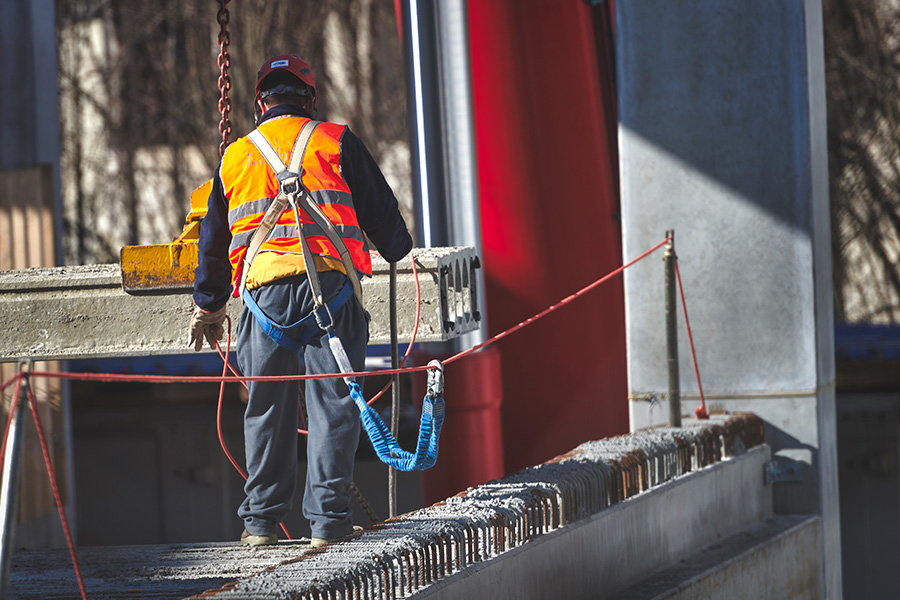
Can you identify hazards?
Can you select and use appropriate personal protective equipment?
Do you understand the risks associated with the tools, machinery and materials you’re using?
Can you follow workplace safety procedures?
Do you know what to do when conditions change or a new hazard appears?
TRA’s assessment standards specifically recognise the ability to work safely under workplace health and safety regulations as part of the expected outcome of a trade skills assessment.
That means safety isn’t something separate from your technical ability. It’s part of demonstrating that you’re a competent tradesperson.
Australian Workplaces May Operate Differently
If you’ve built your career overseas, you’ve learned to work within the systems, regulations and workplace practices of that country.
Those practices may be excellent, but they won’t necessarily be identical to Australian requirements.
Different countries can have different terminology, workplace procedures, standards and regulatory frameworks.
Even something you’re very familiar with may be approached slightly differently within an Australian workplace.
That’s why applicants shouldn’t assume that years of experience automatically mean they understand every Australian requirement.
The goal isn’t to disregard your overseas experience. That experience is an important part of your skills assessment.
Instead, you need to be able to demonstrate that your existing skills and knowledge can be applied appropriately within the standards expected of a tradesperson in Australia.
Safety Is Part of Everyday Trade Competence
Workplace health and safety shouldn’t be thought of as a list of rules you memorise for an assessment.
For a competent tradesperson, safety is built into the way work is planned and performed.
Before beginning a task, you may need to think about:
- Hazards within the work area
- The condition and suitability of tools and equipment
- Appropriate PPE
- Manual handling risks
- Other workers or trades operating nearby
- Machinery and equipment hazards
- Safe handling and storage of materials
- Workplace procedures
- What needs to happen if conditions change
The exact considerations will depend on your occupation and the work being performed.
The important point is that a skilled tradesperson should be able to recognise potential risks and explain how work can be completed safely.
This becomes particularly important during a technical assessment.
Safety Knowledge Can Come Up During Your Technical Assessment
For Pathway 1 applicants, the TRA-approved Registered Training Organisation (RTO) conducts a technical assessment after the applicant’s documentary evidence demonstrates the necessary skills and experience.
The assessment is conducted by a qualified Australian tradesperson in the applicant’s occupation. It involves a technical interview and may also involve a practical demonstration or evidence from employers or referees.
Pathway 2 also involves a technical assessment conducted by a qualified Australian tradesperson and assessor, focusing on whether the applicant has the skills and knowledge expected of a skilled tradesperson in Australia.
This means you should be prepared to do more than describe what you would do.
You should also understand how you would do it safely.
For example, rather than simply explaining how you would use a particular machine or tool, you may need to demonstrate your understanding of the hazards involved and the precautions that should be taken.
The assessment isn’t about reciting a safety textbook.
It’s about demonstrating that safe work practices are part of the way you approach your trade.
Being Experienced Doesn’t Mean You Should Skip Preparation
One mistake experienced tradespeople can make is assuming they don’t need to prepare because they’ve been doing the job for many years.
Your experience is valuable.
But experience and familiarity with the Australian context aren’t necessarily the same thing.
You might be highly competent in your occupation while being unfamiliar with some Australian terminology, procedures or expectations.
Before your assessment, it’s worth becoming familiar with how safety relates to your nominated occupation in Australia.
Think about the tasks you perform regularly and ask yourself:
What are the main hazards?
How would I control those risks?
What PPE would be appropriate?
What checks would I complete before using equipment?
What would I do if I identified unsafe equipment or working conditions?
How would I protect myself and other people in the work area?
You should be able to discuss safety naturally as part of explaining how you perform your work.
Safety Knowledge Should Match Your Trade
Not every tradesperson faces the same hazards.
A cabinetmaker working with saws, routers and other workshop machinery will encounter different risks from an electrician, plumber or air-conditioning and refrigeration mechanic.
That’s why your preparation should relate specifically to your nominated occupation.
For a cabinetmaker, for example, relevant considerations might include machinery guarding, dust, manual handling, cutting equipment, power tools, PPE and maintaining a safe work area.
Other occupations will have their own trade-specific risks and requirements.
Understanding safety in context is much more valuable than simply memorising generic workplace safety information.
You want to demonstrate that you can recognise hazards associated with the work you actually perform and respond appropriately.
Safe Decision-Making Matters Too
Safety isn’t only about knowing rules.
It’s also about making good decisions.
Imagine you’re asked how you would approach a task and something about the scenario is unsafe.
A competent tradesperson shouldn’t simply continue because that’s what they were instructed to do.
You should be able to recognise the hazard, assess the situation and explain what you would do before proceeding.
This is where practical experience becomes particularly valuable.
Experienced tradespeople often develop an ability to anticipate problems before they occur.
Your skills assessment gives you an opportunity to demonstrate that professional judgement alongside your technical abilities.
Communication Is Part of Working Safely
Trade safety also relies heavily on communication.
You may need to:
- Follow written and verbal instructions
- Communicate hazards to other workers
- Ask for clarification when instructions aren’t clear
- Participate in workplace safety discussions
- Explain safe procedures to colleagues
- Report faults or unsafe equipment
- Coordinate work with other trades
TRA’s assessment standards include the ability to follow complex written and verbal directions as part of the expected capabilities of a tradesperson.
For technical assessments, TRA also states that assessments are conducted in English without assistance and interpreters aren’t permitted.
Being able to clearly explain how you perform a task safely can therefore be an important part of demonstrating your competence.
What Should You Know Before Your Assessment?
You don’t need to become a workplace safety lawyer before completing a trade skills assessment.
Instead, focus on understanding how Australian safety expectations relate to your everyday trade work.
Make sure you can confidently discuss the hazards associated with your occupation, the precautions you take before beginning a task, how you use tools and machinery safely, the PPE appropriate to different activities and what you would do if you identified an unsafe situation.
Most importantly, don’t treat safety as a separate topic.
When you’re explaining how you would perform a trade task, safety should naturally form part of your answer.
That’s much closer to how safety works in a real workplace.
Your Overseas Experience Is Valuable — Australian Context Matters Too
A trade skills assessment isn’t designed to erase the experience you’ve gained overseas.
Quite the opposite.
Your employment history, practical abilities and technical knowledge form an important part of demonstrating that you’re a skilled tradesperson.
However, working successfully in Australia also means being able to apply those skills within the Australian workplace environment.
That includes understanding relevant industry expectations and approaching your work safely.
Prepare for Your Skills Assessment with Visa Skills
If you’re preparing for a TSS or OSAP skills assessment, don’t focus solely on proving how long you’ve worked in your trade.
Think about the complete picture: your practical skills, technical knowledge, employment experience and your ability to demonstrate safe working practices.
A TRA-approved RTO will explain the assessment requirements relevant to your occupation and circumstances before conducting your assessment.
Visa Skills can help eligible applicants understand the skills assessment process and what to expect at each stage.Preparing for your Australian trade skills assessment? Contact Visa Skills to learn more about the assessment process for your nominated occupation.