Personal Protective Equipment, or PPE, is a normal part of working safely in many Australian industries.
For skilled migrants entering construction, manufacturing, engineering, cabinetmaking or other trade-based workplaces, understanding PPE expectations is an 2important part of adapting to Australian worksite standards.
PPE helps reduce the risk of injury when hazards cannot be completely removed or controlled in other ways. It is not the only part of workplace safety, but it is an important one.
What Is PPE?
PPE is equipment worn or used by workers to help protect them from workplace hazards.
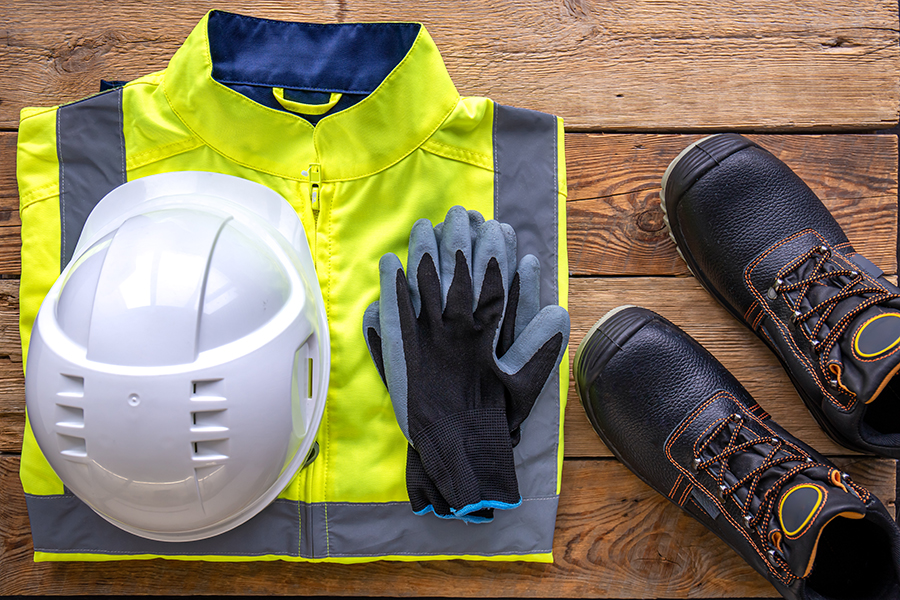
Depending on the job, PPE may include:
- Safety glasses
- Hearing protection
- Gloves
- Steel-capped boots
- Hard hats
- High-visibility clothing
- Respiratory protection
- Face shields
- Protective clothing
The type of PPE required depends on the task, the environment and the risks involved.
A worker in a workshop may need different protection from someone working on a construction site or operating machinery.
Why PPE Is Important
Worksites can involve many hazards.
These may include:
- Flying particles
- Dust
- Noise
- Sharp materials
- Heavy objects
- Chemicals
- Heat
- Moving machinery
- Falling objects
PPE creates an extra layer of protection between the worker and the hazard.
For example, safety glasses can help protect the eyes from sparks or debris, while hearing protection can help reduce exposure to loud equipment.
Safety boots can help protect feet from dropped materials, and respirators may be required where workers are exposed to harmful dust.
PPE Does Not Replace Safe Work Practices
One of the most important things to understand is that PPE should not be treated as the only safety measure.
Good safety starts with identifying hazards and controlling them properly.
That may include:
- Removing the hazard
- Using safer equipment or processes
- Installing guards or barriers
- Using ventilation or dust extraction
- Following safe work procedures
PPE is often used alongside these controls.
For example, a worker cutting materials may use dust extraction to reduce airborne particles while also wearing suitable respiratory protection.
Using several controls together can provide better protection.
Different Jobs Require Different PPE
There is no single PPE setup that applies to every worker.
The right protection depends on the task.
Someone using a grinder may need:
- Eye protection
- Face protection
- Hearing protection
- Gloves
- Protective clothing
Someone working around silica dust may need suitable respiratory protection as well as dust-control systems.
A cabinetmaker working with machinery may need eye and hearing protection, while workers on construction sites may also be required to wear high-visibility clothing, safety boots and hard hats.
The important thing is to understand the risks before starting work.
PPE Must Fit Properly
PPE only works properly when it fits correctly.
Poorly fitted equipment may not provide the level of protection it is designed for.
This is especially important for:
- Respirators
- Safety glasses
- Hearing protection
- Gloves
- Safety footwear
For example, a respirator that does not seal correctly may allow dust to enter around the edges.
Workers should make sure they understand how to wear, adjust and check their PPE before use.
PPE Needs to Be Maintained
Protective equipment can become less effective if it is damaged, dirty or worn out.
Workers should regularly check PPE for signs of wear.
This may include:
- Cracked safety glasses
- Damaged helmet shells
- Worn boot soles
- Torn gloves
- Dirty or blocked respirator filters
- Damaged hearing protection
If PPE is no longer fit for purpose, it should be replaced.
Simply wearing PPE is not enough if the equipment is no longer providing proper protection.
Follow Site Requirements
Different workplaces may have different PPE rules.
A construction site may require hard hats, high-visibility clothing and safety boots at all times.
A workshop may have specific rules for eye and hearing protection.
Some tasks may require additional PPE that is not needed for general site access.
Workers should always pay attention to:
- Site signage
- Induction information
- Supervisor instructions
- Safe work procedures
- Task-specific requirements
For skilled migrants, this is especially important when entering a new Australian workplace.
Even if you have performed the same trade overseas, the safety expectations and site procedures may be different.
PPE and Skills Assessments
For workers completing a trade skills assessment, safety knowledge is an important part of demonstrating competency.
Assessors may expect candidates to understand:
- Which PPE is required for a task
- Why the PPE is necessary
- How it should be worn
- What other safety controls should be used
- What to do if equipment is damaged or unsuitable
Knowing how to complete a task is only part of trade competency.
Being able to complete it safely is equally important.
Visa Skills assesses applicants against Australian trade requirements, which means candidates should be familiar with safe work practices as well as the practical skills of their nominated occupation.
Do Not Take Shortcuts
Experienced tradespeople can sometimes become comfortable with tasks they have completed many times.
That familiarity can lead to shortcuts.
Skipping eye protection for a quick cut, removing hearing protection or ignoring a damaged glove may seem minor, but injuries can happen very quickly.
Good safety habits need to be consistent.
The length of the task does not remove the risk.
Speak Up if Something Is Wrong
Workers should also feel confident speaking up if PPE is unavailable, damaged or unsuitable.
If you do not understand what protection is required, ask your supervisor before beginning the task.
It is better to delay a job briefly than to continue without the right protection.
Good workplace safety depends on workers communicating when something is not right.
PPE Is Part of Working Professionally
Wearing the right PPE is not simply about following a rule.
It shows that a worker understands the risks of the job and takes responsibility for working safely.
For skilled migrants entering the Australian workforce, developing strong safety habits can help build confidence and demonstrate professionalism to employers and supervisors.
At Visa Skills, understanding Australian workplace expectations is an important part of preparing for a trade skills assessment and working successfully in Australia.
PPE may be the last line of defence, but wearing the right protection can make a real difference when something goes wrong.